Cladding, roof and external doors are on, and the plasterer is next. This is the last look at everything that keeps water out of the wall.
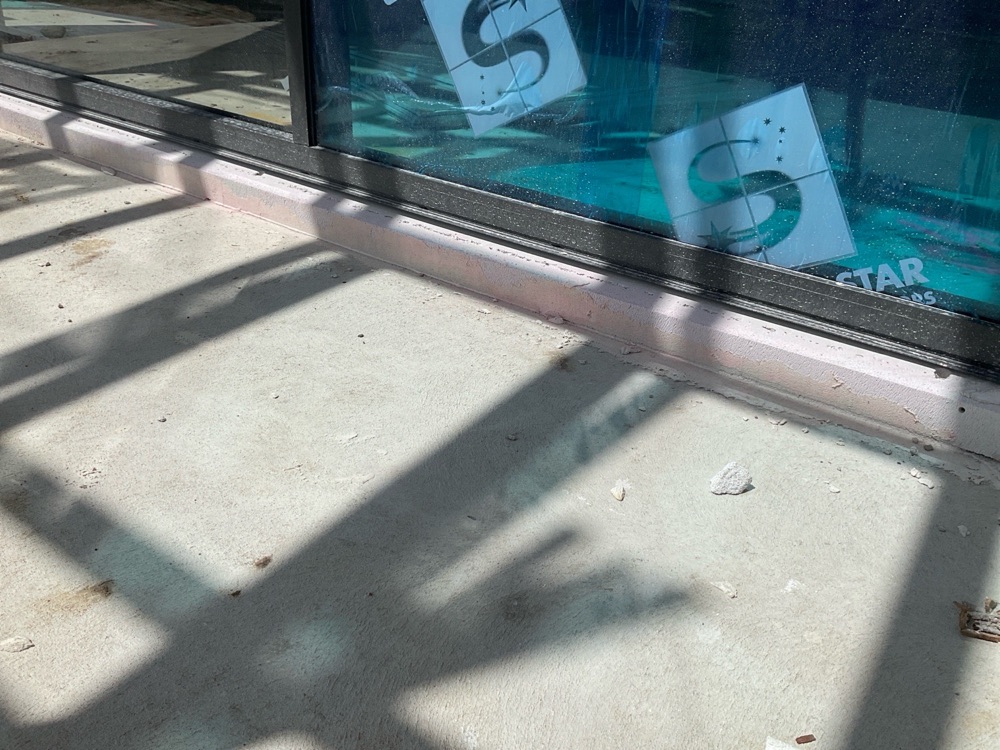
Wind driven rain from the south-east is what tests these details in Clyde, and sarking, flashings and window seals are the things that stop it.
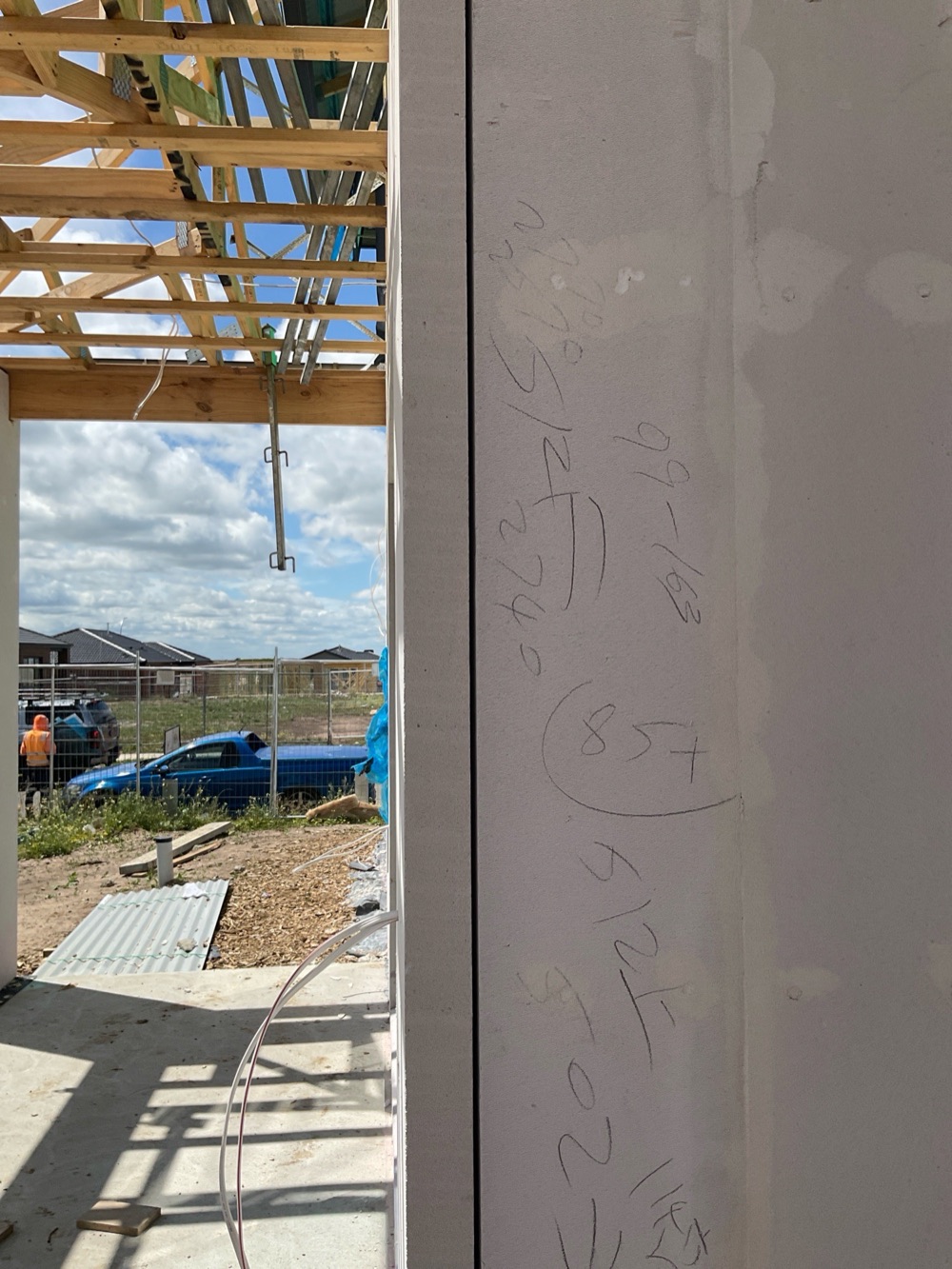
Annotated findings from Lock-up (pre-plaster) inspections on Clyde builds. Client addresses withheld.
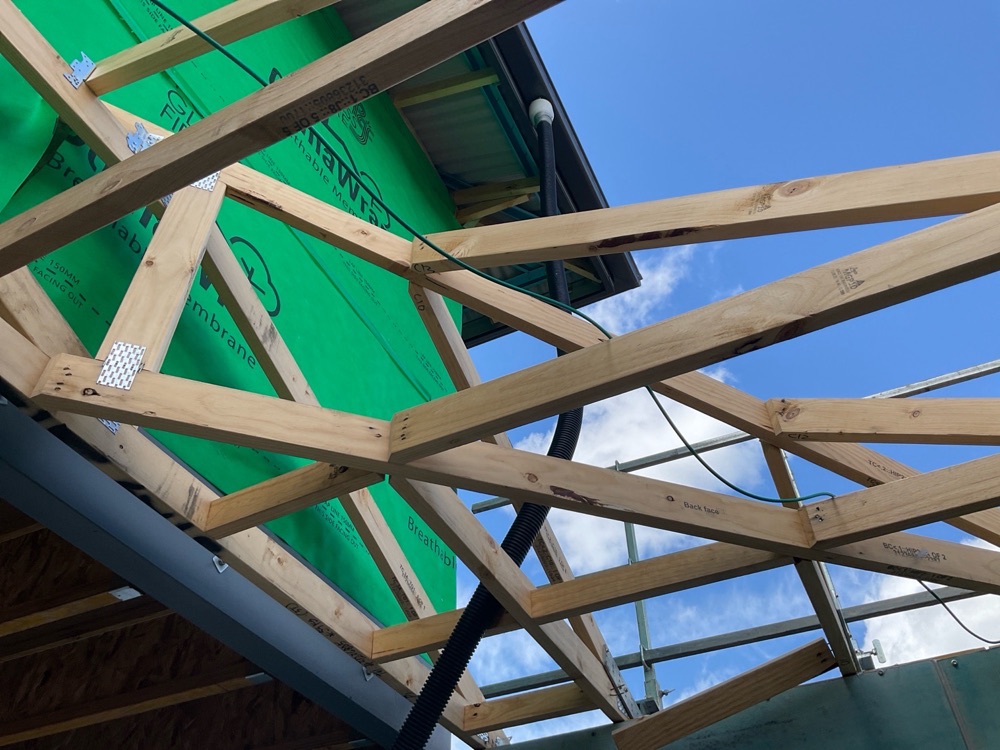
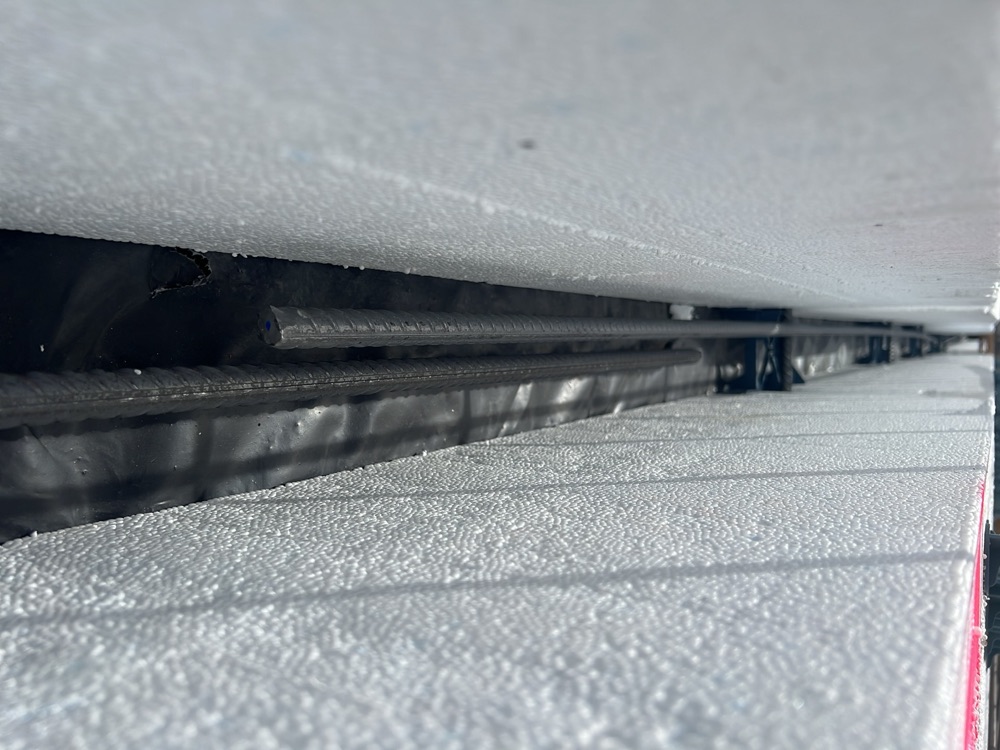 1Bored piersAfter the holes are bored and steel cages are placed, before concrete
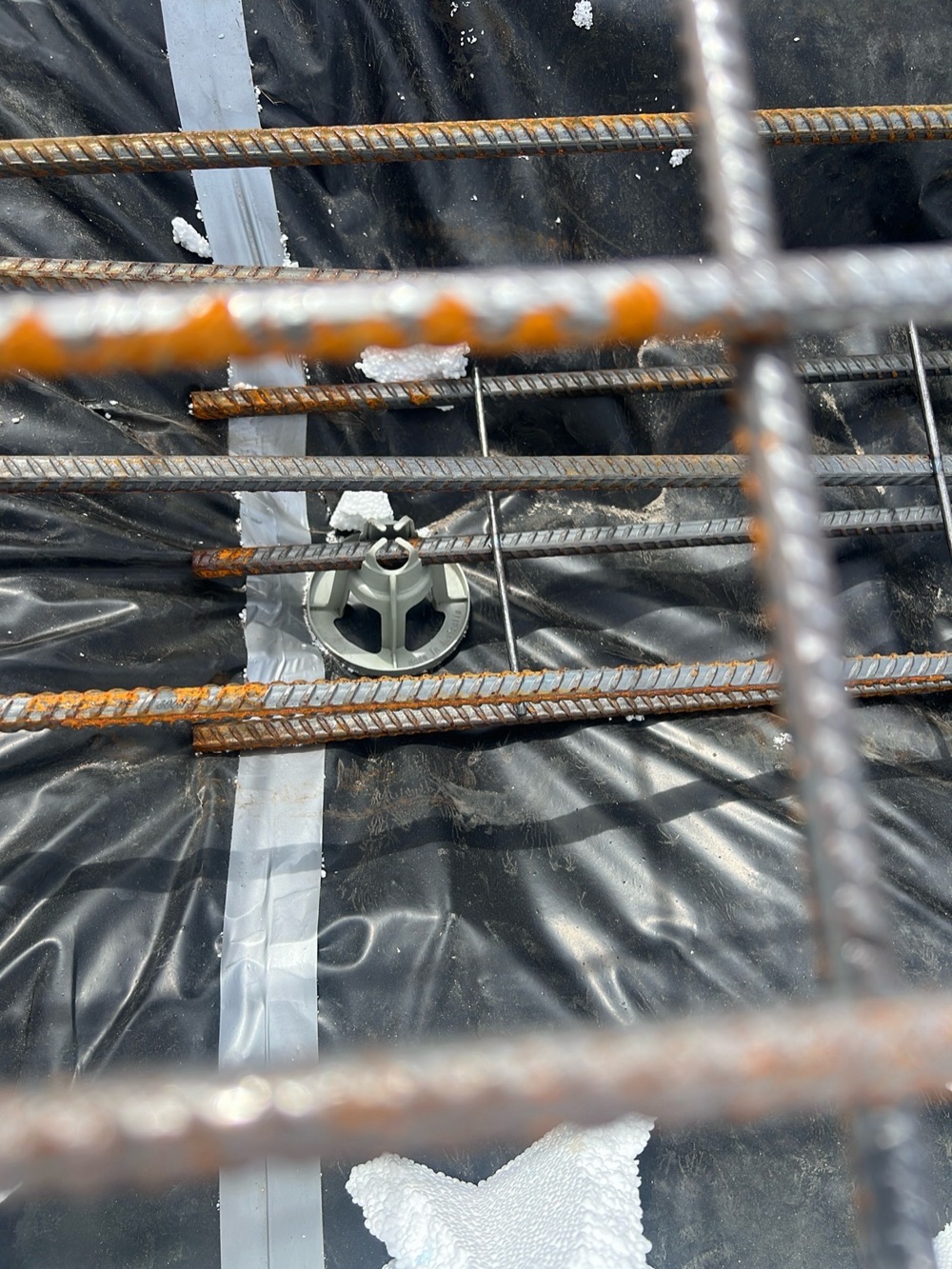 2Slab pre-pourThe day before the pour, while steel and pods are still open to view
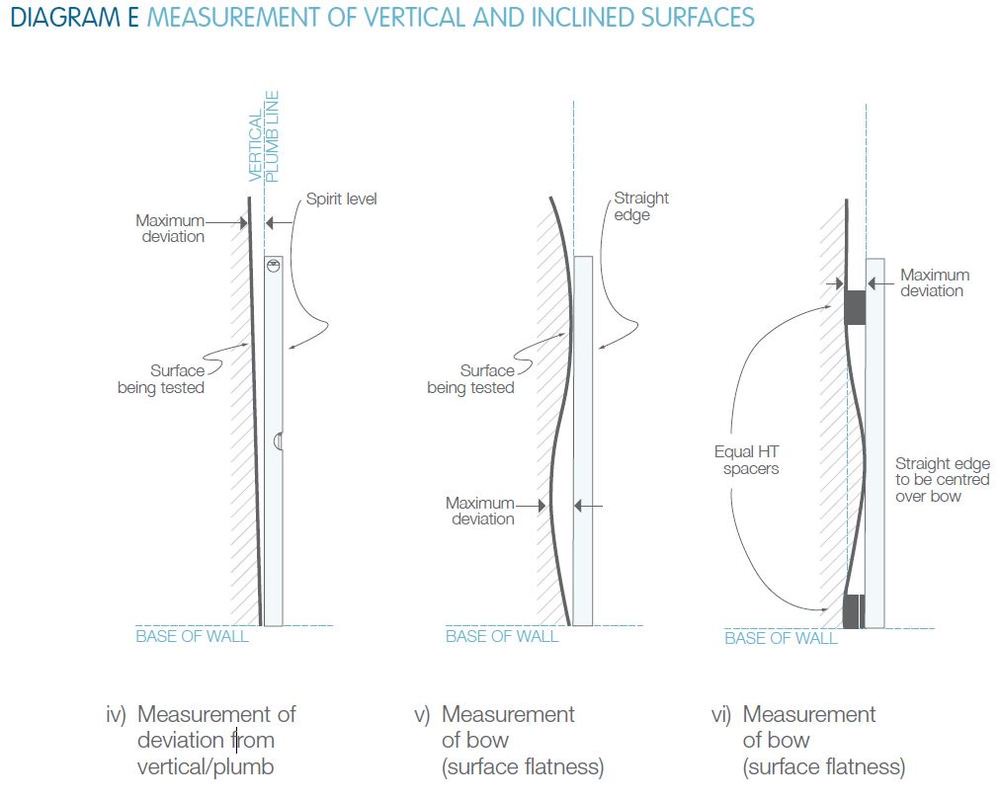 3FrameOnce the frame and roof trusses are up, before sarking and cladding
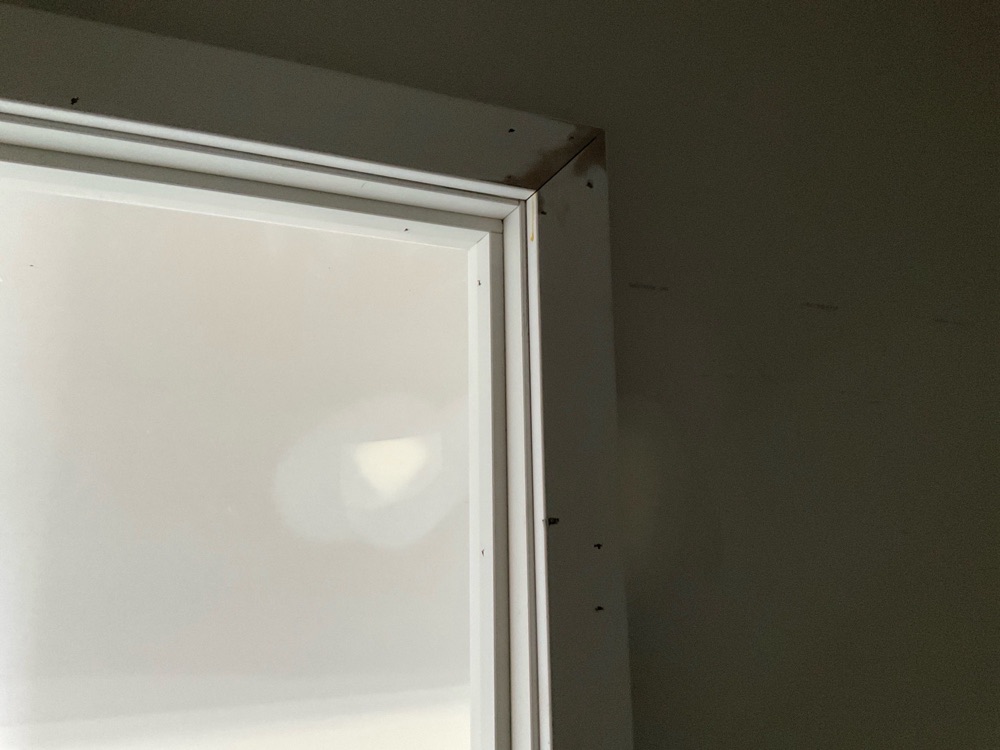 5FixingOnce skirtings, architraves, doors and joinery are in, before painting
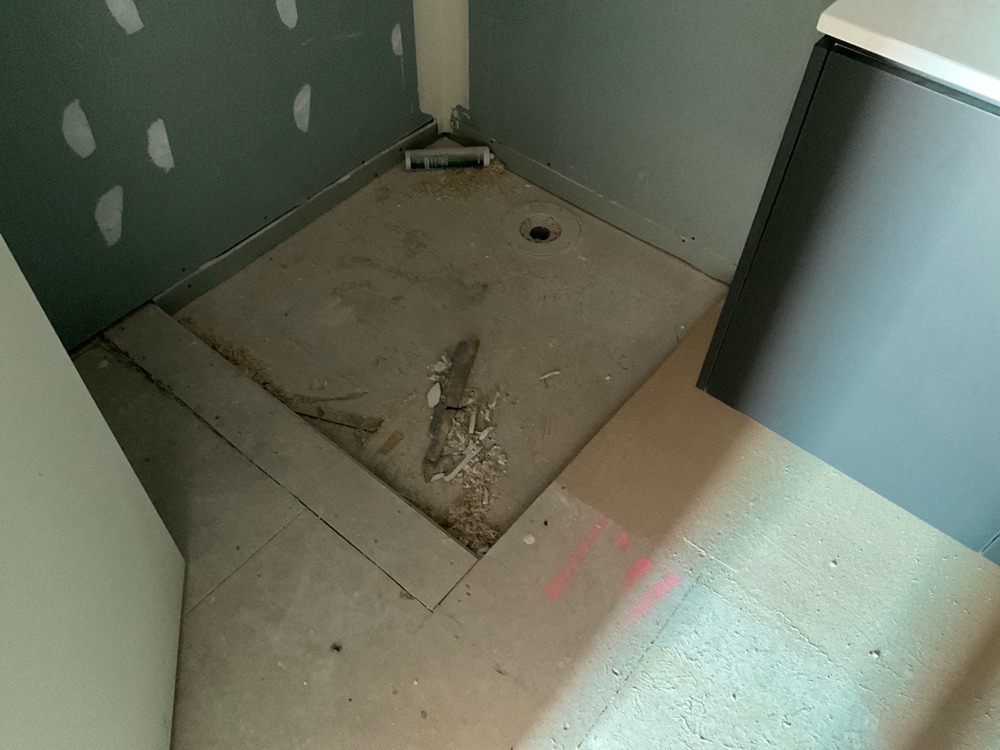 6WaterproofingAfter the membrane is applied, before any tile is laid over it
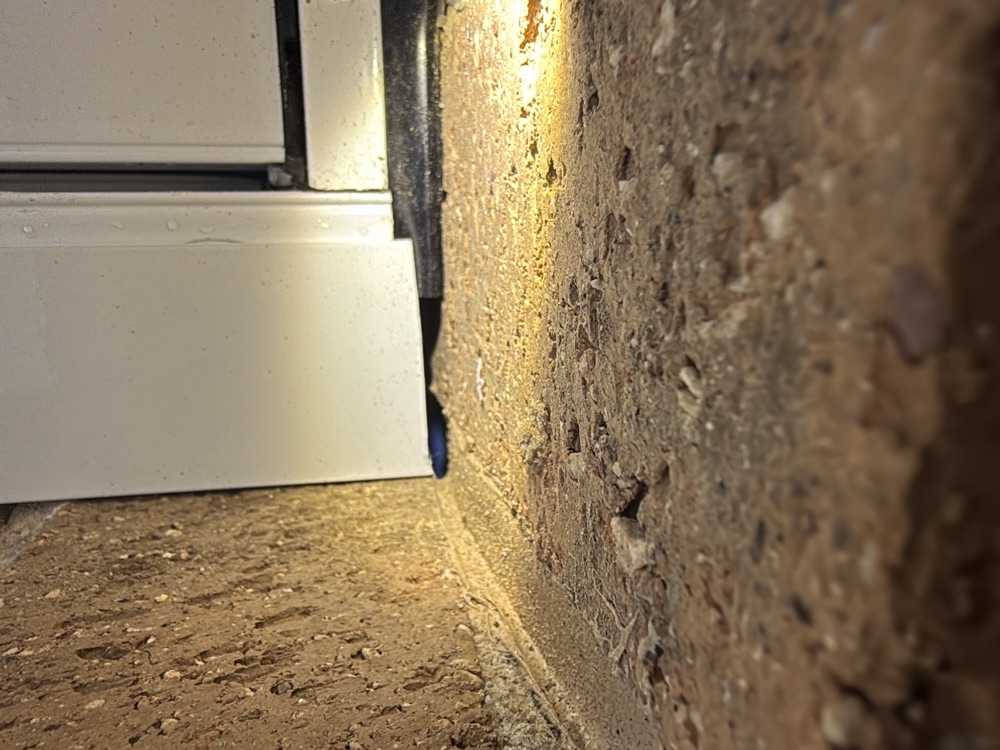 7Pre-handover (PCI)Before you sign at practical completion, ideally a week ahead
Instant online pricing, or talk to the booking team on 1300 471 805.
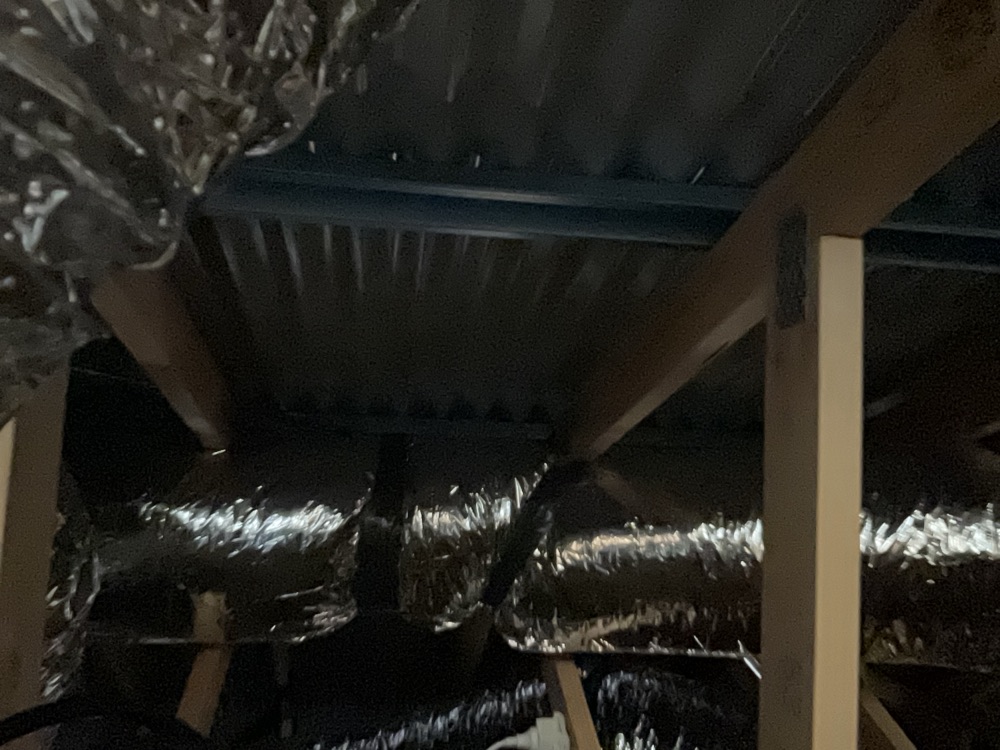
It is the second barrier under the roof. If wind driven rain gets past the cladding, sarking is what stops it reaching the frame.
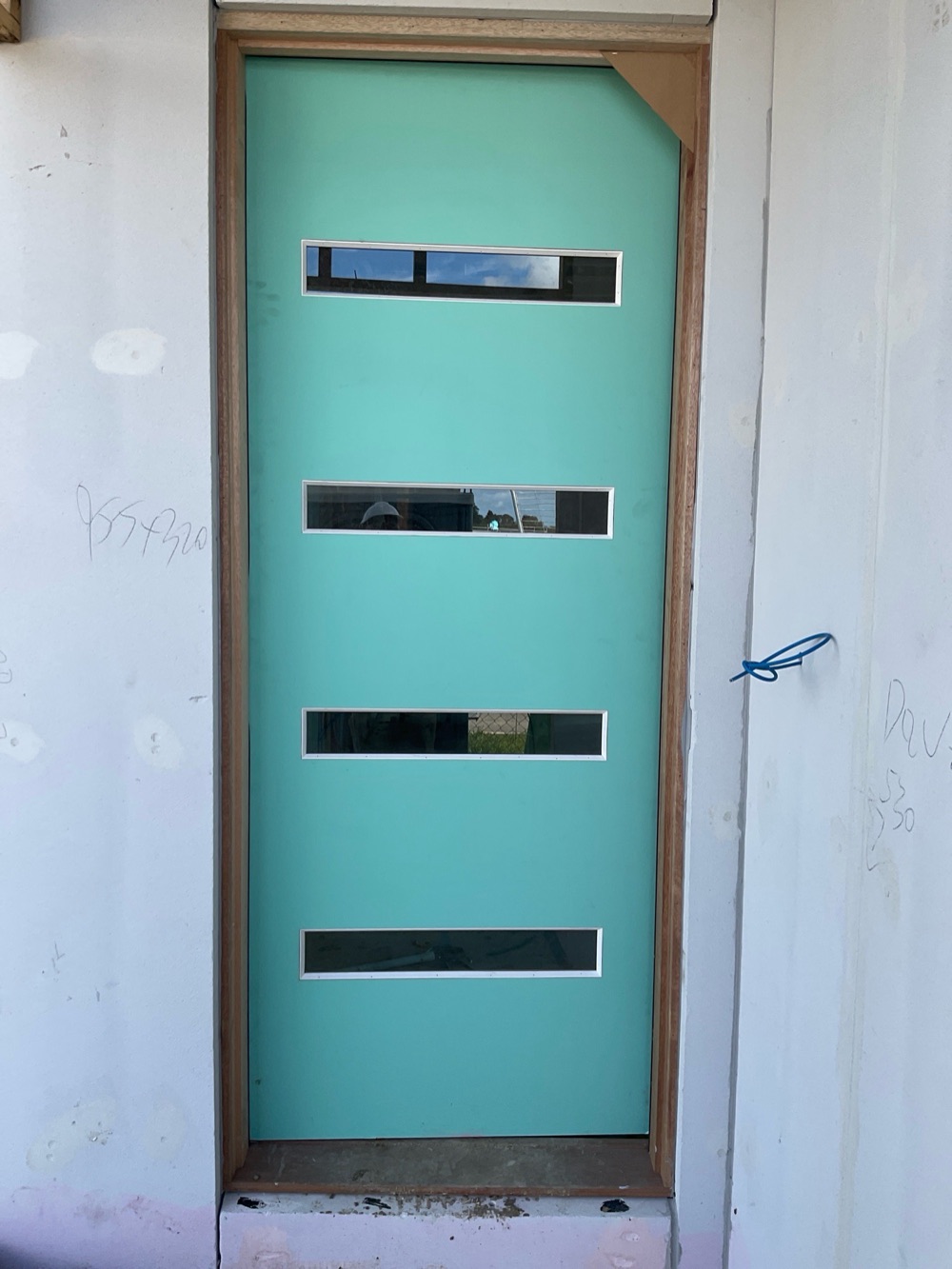
After external doors are hung and before plaster arrives on site. That window is often only a few days.
We do not test plumbing or electrical rough-in, and we do not open completed work. Those are certified by the trades and your surveyor.
Yes. Lock-up and pre-plaster describe the same point in a Victorian build.
The National Construction Code and ABCB Housing Provisions, plus the manufacturer requirements for the cladding and roof system.
Yes, easily, which is why the timing is worth chasing.